
LGBTQ+ Dating
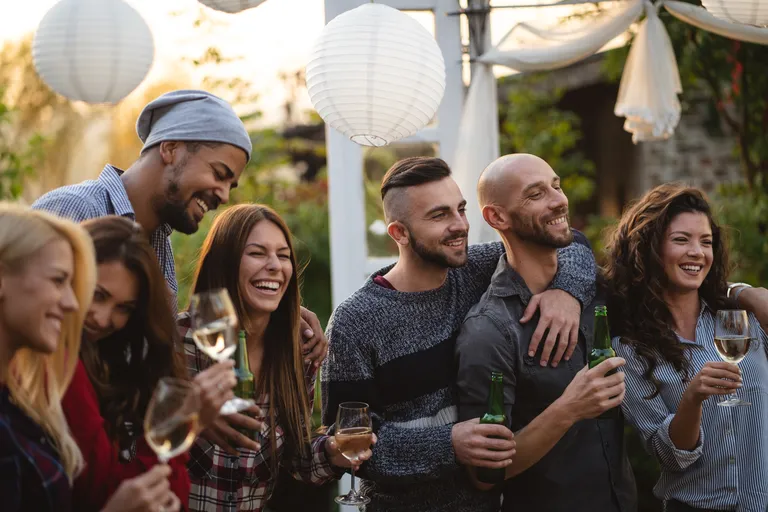
For a couple of years now, Dr. Nazanin Moali, a fellow psychologist & a certified sex therapist, and I have been hosting matchmaking events, bringing our individual experiences from our practices into one collaborative effort. One thing I’ve observed is that queer dating comes with unique challenges, and those challenges are worth understanding if we want healthier relationships.
Do Our Spectrums & Labels Align?
In LGBTQ+ (used interchangeably here with "queer") dating, the range of identities (e.g., gay, bi, pan, and so fort) can raise questions about whether labels actually align in relationships. Does a gay person match well with a bi or pan partner, for example? What we’ve seen is that communication matters more than label matching. Shared values, mutual respect, and understanding each other’s lived experiences matter more than any one label on its own.
First Dates & Trauma Triggers
First dates can sometimes bring old wounds right back up to the surface. It’s not uncommon in queer dating to run into past trauma, whether that is tied to rejection, identity, discrimination, or just a rough dating history. That's why I encourage using communication skills such as Active Listening, developed by Drs. Carl Rogers & Richard Farson, using I-Statements, popularized by Dr. Thomas Gordon, and practicing Validation, a core skill emphasized in Dr. Marsha Linehan’s DBT work. These skills can help both people feel heard, respected, and less likely to slip into defensiveness.
Skip the Apps & Embrace Real Life
I often encourage people to spend less time relying on the apps and more time meeting others through activities they genuinely enjoy. Whether or not you meet someone, you’re still doing something that adds dimension to your life. And if you do meet someone, there’s a better chance that person already shares a similar interest, which gives you a more natural starting point. At minimum, you are building a Comfortably Single life that actually feels like yours.
Break Out of a “Type” & Reconsider the “Friend Zone”
For the LGBTQ+ community, if we keep dating the same “type” and it keeps ending badly, it may be worth stepping back and asking what exactly we’re repeating. Familiarity is not always compatibility. Sometimes it’s just familiarity. And if you are someone who gets friend-zoned often, that is not always a bad sign. It may mean you make people feel safe. In dating, safety is not the enemy of attraction. For the right person, feeling safe may be the start to allowing attraction to organically grow.
If You Want to Explore This Work One-on-One
If you'd like support in better understanding your dating patterns, communication style, or relationship history, use the form below to start the process of booking an appointment. Sometimes a few good insights can save you a lot of time, confusion, and heartbreak.